

Eating for Your Body: Why Whole Foods Matter More Than Ever


When You Realize Food Is More Than Calories
At some point in the health journey, many people realize that food is not just fuel. It is information. It tells your body what to do, how to react, and sometimes how to struggle.
I learned this the hard way.
I spent years thinking food was only about weight. Calories in, calories out. Good days and bad days. Then I developed hypothyroidism. Then cancer entered my life. Then medications became part of my daily routine.
That is when food stopped being simple.
This post is part of the Eating for Your Body series. It explains why eating whole foods matters, why processed foods can complicate health and medications, and why having control over what goes into your body is one of the most practical things you can do.
What We Mean by Whole Foods
Whole foods are foods that look close to how they came from the earth or the animal.
Examples include:
Vegetables
Fruits
Meat and poultry
Fish
Eggs
Beans and lentils
Whole grains
Dairy products in simple forms
Whole foods usually have short ingredient lists or no ingredient lists at all.
If you can recognize what you are eating without a chemistry degree, that is a good sign.
What Processed Foods Really Are
Processed foods are foods that have been altered significantly from their original form.
This can include:
Packaged snacks
Fast food
Frozen meals
Sugary drinks
Restaurant foods with sauces and glazes
Foods with long ingredient lists
Many processed foods contain:
Added sugars
Refined carbohydrates
Artificial flavors
Preservatives
Emulsifiers
Colorings
Stabilizers
The issue is not that these foods exist.
The issue is that you do not know how your body will react to them, especially when illness or medications are involved.
Why the Outside Aisles Matter
You have probably heard the advice to shop the outside aisles of the grocery store.
There is a reason this advice has lasted.
The outside aisles usually contain:
Produce
Meat and seafood
Dairy
Eggs
These foods are less processed and easier to understand. When you cook with them, you control what goes into your food.
For someone managing medications, blood sugar, inflammation, or digestion, that control matters.
Medications Change How Your Body Handles Food
This is not talked about enough.
Medications can:
Change how sugar is absorbed
Affect digestion
Alter how fats are processed
Impact insulin response
Increase inflammation
Change appetite and cravings
I live this.
Some of the medications I take raise my blood sugar and cholesterol. That means foods that once felt harmless can now cause noticeable reactions.
Eating whole foods helps reduce unknown variables.
The Day My Monitor Went Off
One moment made this very real for me.
I went to a Thai restaurant and ordered what I believed was a healthy meal.
Vegetables.
Protein.
Nothing fried.
It looked like a good choice.
What I did not know was how much sugar was hidden in the sauce.
I had just started using a continuous glucose monitor for the first time.
Midway through the meal, my monitor went off.
My blood sugar spiked sharply.
That moment changed how I saw restaurant food.
It was not about blame.
It was about information.
I realized that when I do not cook the food myself, I do not know what is in it.
Sauces, marinades, and glazes often contain sugar, starches, and additives that affect blood sugar quickly.
That loss of control matters when you are managing health conditions. Fast Food and Restaurant Food Are Especially Tricky
Fast food and restaurant meals are designed to taste good consistently.
That usually means:
Added sugar
Added fat
Added salt
Thickened sauces
Large portions
Even meals marketed as healthy can cause issues because the ingredients are not transparent.
For people with chronic illness, cancer history, diabetes risk, or medication side effects, these foods can trigger:
Blood sugar spikes
Inflammation
Digestive issues
Fatigue
Joint pain
This does not mean you can never eat out. It means awareness matters.
Whole Foods Give You Control
Control is not about restriction. It is about knowledge.
When you cook at home:
You choose the ingredients
You control the sugar
You control the salt
You control the fats
You control portion size
This is empowering, not limiting.
I learned that cooking simple meals gave me more stability than chasing perfect diets. It removed surprises.
Cooking Does Not Have to Be Complicated
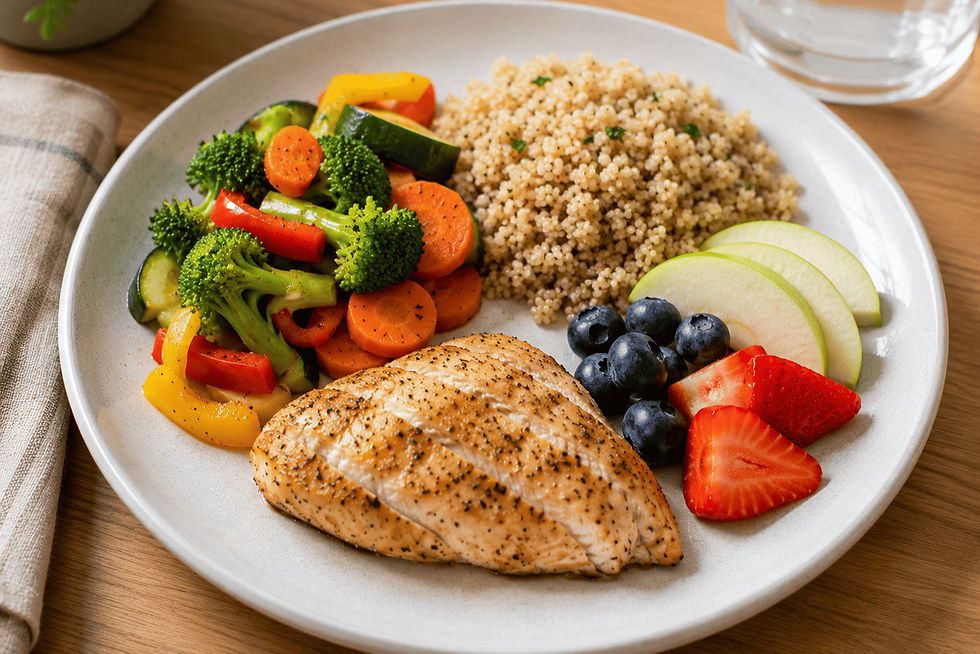
Whole food cooking does not mean gourmet meals.
Some of my most supportive meals are simple:
Roasted vegetables
A protein with seasoning
Rice or potatoes
A salad with added protein and healthy fats
I often say I am making a “vitamin cram on a plate.”
It is not pretty.
It is not styled for social media.
It nourishes me.
That matters more.
Processed Foods and Inflammation
Many processed foods contribute to inflammation, especially when eaten regularly.
Inflammation already exists in bodies dealing with:
Cancer treatment
Chronic pain
Joint damage
Hormone changes
Stress
Adding highly processed foods increases the load.
Whole foods support the body without adding unnecessary stress.
You Do Not Have to Be Perfect
Eating whole foods does not mean never eating anything processed.
It means:
Choosing whole foods most of the time
Using processed foods when needed
Reducing reliance on fast food
Being aware of how your body responds
I still eat out sometimes. I still eat convenience foods on hard days. The difference is awareness.
Eating for Your Body Is About Reducing Unknowns
One of the biggest benefits of whole foods is reducing unknown reactions.
When you are managing medications, blood sugar, inflammation, or pain, fewer surprises help your body stay steadier.
That steadiness matters more than perfection.
What Comes Next
Now that we have covered why whole foods matter, the next post will naturally be:
Eating for Your Body: Building Simple, Repeatable Meals When Energy Is Low
This will help people put this into practice without overwhelm.
You Deserve Food You Can Trust
Food should not feel like a gamble.
If you are navigating illness, medications, or long term health changes, choosing whole foods gives you something valuable.
You have control.
Your Story Matters
We need your nice comments below! Your thoughts, experiences, and lessons learned might be exactly what someone else needs to hear today.
Drop a comment, Say Hello, and join the conversation.
Need More Personalized Support?
Everyone's journey is unique. If you're looking for personalized guidance, encouragement, or one-on-one support, explore our services to find the option that's right for you. We're here to help you take your next step with confidence and hope.
Helpful Resources for Your Journey
Explore our collection of books, journals, coloring books, and printable PDFs designed to encourage, inspire, and support you every step of the way.
References
Harvard T.H. Chan School of Public Health. Healthy Eating Plate. hsph.harvard.edu
Mayo Clinic Staff. Processed Foods and Health. mayoclinic.org
Cleveland Clinic. Ultra Processed Foods and Health Risks. clevelandclinic.org
American Diabetes Association. Hidden Sugars in Restaurant Foods. diabetes.org
About the Author:
Deborah Ann Martin is the founder of Surviving Life Lessons, a published author, poet, speaker, and trainer with over 20 years of management experience across multiple industries. An MBA graduate, U.S. veteran, single mother, and rare cancer survivor, Deborah brings both professional expertise and lived experience to her writing on resilience, leadership, personal growth, and overcoming adversity. Her mission is to empower others with practical wisdom and real-life insight to navigate life’s challenges with strength and purpose.


.png)
Comments