

Dating After Gray Divorce: Realistic Expectations at 50+


Dating After My Divorce
Divorce after 50 changes everything. It changes how you see love, how you trust, and how you move forward. It is not just the end of a marriage. It is the start of rebuilding an entire life.
I know this because I lived it.
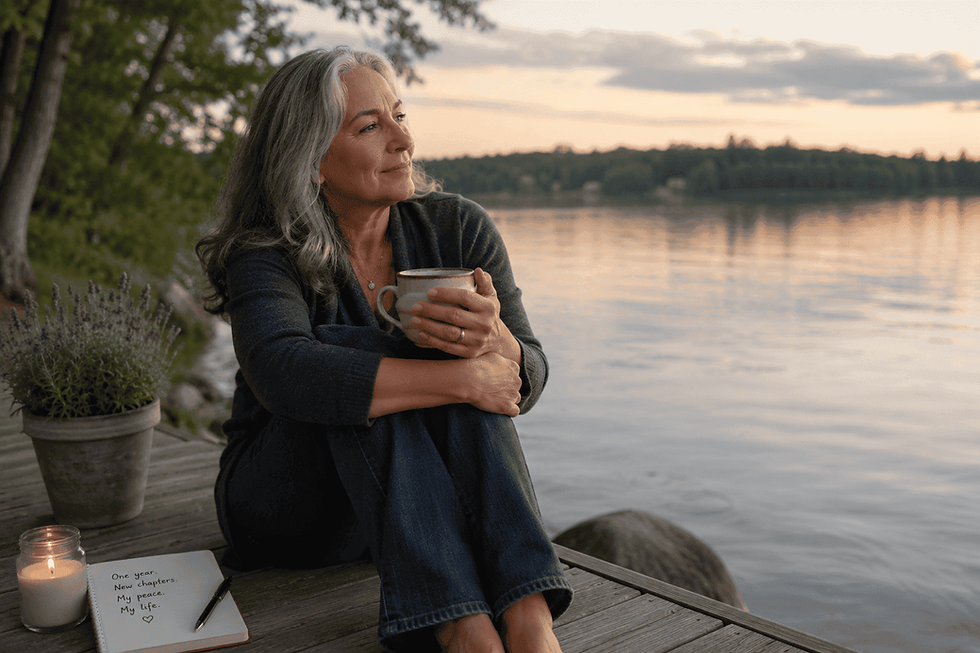
After my divorce, I did not rush into dating. I did not jump into another relationship just to fill a space that suddenly felt empty. I waited five years. Not because I had to, but because I needed to.
I needed to figure out who I was again. I needed to rebuild my life, my finances, and my confidence. I had been through so much, including cancer, and I knew I could not carry all of that into a new relationship without first working through it myself.
I needed to stand on my own before I could ever stand beside someone else.
That decision shaped everything about how I see dating now.
Dating After Gray Divorce Is Not the Same
Dating at this stage of life feels very different than it did when we were younger. Back then, we were building a future. We were creating something from the ground up.
Now, we already have a life.
We come with years of experiences, both good and painful. We have responsibilities, habits, and routines that have been built over decades. Many of us have children, and some of us have grandchildren. We also carry financial responsibilities and health concerns that were not even on our radar when we were younger.
Because of all of this, we are not as willing to bend just to make something work.
And that is not a flaw. That is growth. That is wisdom earned the hard way.
Why Waiting Changed Everything for Me
Waiting five years before dating again gave me something I did not even realize I needed at the time.
It gave me clarity.
I was not dating because I was lonely. I was not looking for someone to fix my life. I had already done the work to rebuild it.
I learned how to be alone without feeling empty, and that changed the way I approached relationships completely.
When you take that time, you begin to understand what you truly want and what you will not accept anymore.
You stop ignoring red flags.
You stop settling just because someone shows interest.
You learn that wanting someone is very different from needing someone.
That difference is what protects you.
The Reality of Dating at 50 and Beyond
One of the biggest adjustments in dating after gray divorce is accepting that everyone comes with a past.
There is no such thing as a blank slate at this stage of life.
People come with history. They come with experiences that have shaped how they love, how they trust, and how they communicate.
Some have healed from those experiences, and some have not.
That is where the difference lies.
You are not looking for someone without baggage.
You are looking for someone who has learned how to carry theirs in a healthy way.
Another thing that becomes clear is that people are more set in who they are.
By this point in life, most of us know our routines, our preferences, and our boundaries. That can actually make relationships easier in some ways because there is less guessing. But it can also make compromise more difficult.
The question is no longer just about feelings.
It becomes about whether your lives truly fit together.
When Loneliness Tries to Make Decisions for You
There is something else that happens after divorce that not enough people talk about.
The silence.
When your home changes, when your routine shifts, and when time with your children looks different, there can be a quiet that feels overwhelming. And when someone comes into that space and fills it, it can feel like love.
But that feeling can be misleading.
Attention can feel like connection, and connection can feel like compatibility, but they are not always the same thing.
This is why taking your time matters so much.
When you rush, you risk choosing comfort over compatibility.
My Experience When I Finally Started Dating
When I did decide to date, I did it from a completely different place than I would have earlier in life.
I was not looking for someone to rescue me because I had already learned how to take care of myself. I was not looking for someone to fix anything in my life because I had already done that work.
I was looking for someone who could fit into the life I had created.
I ended up in a relationship that lasted three years.
And even though it did not last forever, it taught me something incredibly important.
Taking your time does not guarantee that every relationship will work out, but it does change how you experience it.
I did not lose myself.
I did not ignore what mattered to me.
And when it ended, I was still whole.
That is a powerful place to be.
Practical First Steps in the New Landscape
Clarify your non-negotiables — Write down what equal partnership looks like to you and what behaviors (control, unequal labor, emotional dismissal) are now deal-breakers.
Take time for honest self-reflection — Ask yourself what you truly want right now: casual companionship, a committed equal partnership, or a rich single season focused on travel, purpose, and autonomy.
Build or strengthen your support network — Invest in friendships, faith or cultural communities, senior activity groups, or local Norfolk resources before rushing into dating.
Protect your peace practically — If you do date, consider keeping finances and living arrangements separate initially and consulting professionals about legal protections.
Normalize single joy — Actively schedule activities that bring you pleasure' travel, hobbies, time alone, so single life feels full rather than empty.
The Financial Side of Dating That People Avoid
There is another layer to dating after gray divorce that many people avoid talking about, and that is finances.
At this stage in life, financial decisions are not just about today. They affect your long term stability. Many people do not realize how things like remarriage can impact benefits they may be receiving.
There are situations where remarriage can change Social Security benefits or other forms of financial support tied to a previous marriage. That is not something to take lightly.
This is not about choosing money over love.
It is about being informed so you can protect the life you worked so hard to rebuild.
Common Surprises and Mindset Shifts
One of the biggest surprises for many gray divorcees is how much clearer their standards become.
After enduring decades in a marriage that may have involved unequal emotional or domestic labor, many women (in particular) develop a strong aversion to repeating those dynamics.
Red flags that might have been minimized earlier, controlling behavior, poor emotional regulation, unequal division of planning and caretaking, or grand promises without consistent follow-through, become non-negotiable.
Another common experience is the mix of freedom and loneliness.
Divorce can bring profound relief from chronic tension, yet the absence of daily companionship can feel heavy, especially during holidays or milestones.
Research shows that freedom and loneliness often coexist in later-life transitions.
The key difference is that many people over 50 become more skilled at distinguishing solitude (restorative) from isolation (painful).
Adult children add another layer.
Grown kids may feel protective, worried about inheritance, or uncomfortable seeing a parent date.
Teens or young adults still living at home can experience loyalty conflicts or rebellion if a new partner is introduced too quickly.
These reactions are normal and deserve thoughtful navigation rather than dismissal.
Cultural and religious backgrounds further shape the landscape.
In many collectivist communities (common among African American, Hispanic, Asian, immigrant, or faith-centered families), family approval — especially from adult children and elders — carries significant weight.
Religious teachings vary widely: some traditions discourage remarriage after divorce or attach stigma, while others emphasize companionship and mutual support.
Military families in the Norfolk/Hampton Roads area often navigate additional practical layers, such as how new relationships might affect benefits like TRICARE or Survivor Benefit Plan elections.
The mindset shift that serves many people best is moving from “I need to find someone” to “I want to protect my peace and only invite in what truly adds value.”
This includes the option of remaining single as a positive, intentional choice rather than a temporary state.
What Healthy Dating Looks Like with Realistic Expectations
Healthy dating after 50 is not about chasing excitement or trying to recreate what love looked like in your twenties.
It is about building something steady and real.
It is about taking your time and paying attention to actions, not just words. It is about maintaining your independence while allowing someone into your life in a healthy way.
It is about protecting your peace instead of sacrificing it.
Most importantly, it is about being honest with yourself about what you truly want.
Some people want companionship without marriage.
Some want a committed partnership.
Some want to blend families, while others prefer to keep their lives more separate.
There is no right or wrong answer. There is only what works for you.
You Do Not Have to Settle
One of the biggest misconceptions about dating after 50 is that your options are limited.
That is simply not true.
If anything, this is the time in your life when you should be more selective, not less.
You know what it feels like to be in the wrong relationship.
You understand the cost of ignoring your needs.
You have earned the right to choose carefully.
Healing and Journaling Tool
Take a moment and slow yourself down before you rush into dating again. This is not about being ready on paper. It is about being ready in your heart and in your life.
Think about where you are emotionally right now. Are you truly open to someone new, or are you trying to fill a quiet space that still needs healing? There is no wrong answer, but there is an honest one.
Spend some time reflecting on your past relationship. Do not blame yourself or the other person, but understand what you learned. What worked, what did not, and what you are no longer willing to accept moving forward.
Now shift your focus forward. What does a healthy relationship look like to you today, not years ago? What would someone need to bring into your life that adds to your peace instead of taking it away?
What patterns from my long marriage do I refuse to repeat in any future relationship?
What does “equal partnership” look like to me concretely, in daily life, decision-making, and emotional labor?
What parts of single life am I currently enjoying most, and how can I protect and expand them?
How do my cultural, religious, or family values influence my openness (or lack thereof) to dating right now?
Write it out in your own words. Your answers do not need to be perfect. They just need to be real.
Takeaways
Dating after a gray divorce is not about starting over the same way you did before. It is about starting from experience, from lessons learned, and from a place of strength you did not have before.
Taking time to heal changes everything. It allows you to choose someone because you want them in your life, not because you feel like you need them to fill a space.
Loneliness can be loud, especially after years of marriage, but it should not be the reason you choose a relationship. When you slow down and pay attention, you begin to see the difference between connection and comfort.
At this stage in life, relationships are not just emotional. They are practical. Financial decisions, family dynamics, and long-term stability all play a role, and they deserve your attention.
Most importantly, you do not have to settle. You have already lived through enough to know what the wrong relationship feels like.
That knowledge is not a burden.
It is protection.
You get to choose differently now.
Continue the Journey
Share anonymously in the comments:
Where are you in your post-gray-divorce relationship journey, dating, recovering from a relationship, or intentionally single?
What hopes or concerns do you carry about repeating old dynamics or embracing single freedom? Your experiences help normalize this important conversation.
Where to Go From Here
Healing is easier when you have people walking beside you. At Surviving Life Lessons, we believe in life survivors helping life strugglers. Our Gray Divorce Support Group connects you with others starting over after 50, and our Personal Growth and Healing group is a place to grow with others on the same path. You can also browse our Community Groups Catalog to find every group that fits where you are right now.
For more, read Repartnering After Gray Divorce Over 50 or Health & Wellness After Gray Divorce.
Your Story Matters
We need your nice comments below! Your thoughts, experiences, and lessons learned might be exactly what someone else needs to hear today.
Drop a comment, Say Hello, and join the conversation.
Need More Personalized Support?
Everyone's journey is unique. If you're looking for personalized guidance, encouragement, or one-on-one support, explore our services to find the option that's right for you. We're here to help you take your next step with confidence and hope.
Helpful Resources for Your Journey
Explore our collection of books, journals, coloring books, and printable PDFs designed to encourage, inspire, and support you every step of the way.
References
American Psychological Association: "Divorce and mental health", https://www.apa.org/topics/divorce
National Institute on Aging: "Relationships, loneliness, and aging", https://www.nia.nih.gov/health/loneliness-and-social-isolation
U.S. Social Security Administration. Benefits for divorced spouses and remarriage ruleshttps://www.ssa.gov/benefits/retirement/planner/applying7.html
AARP: "Dating after 50 and rebuilding relationships", https://www.aarp.org/home-family/dating/
Brown, S. L., & Lin, I. F. (2019). Repartnering following gray divorce. Demography. (Repartnering rates: 22% women, 37% men within 10 years).
National Center for Family & Marriage Research and Pew Research Center analyses on gray divorce trends (36–40% of divorces involve adults 50+; rate stabilized around 10.3 per 1,000 married women 50+).
About the Author:
Deborah Ann Martin is the founder of Surviving Life Lessons, a published author, poet, speaker, and trainer with over 20 years of management experience across multiple industries. An MBA graduate, U.S. veteran, single mother, and rare cancer survivor, Deborah brings both professional expertise and lived experience to her writing on resilience, leadership, personal growth, and overcoming adversity. Her mission is to empower others with practical wisdom and real-life insight to navigate life’s challenges with strength and purpose.


.png)
Comments