

End-of-Day Leadership Debrief: Daily Journaling for Growth

Updated: 2 days ago
Every day brings new challenges, decisions, and moments that shape who we are as leaders and as people. Yet, many leaders rush from one task to the next without pausing to reflect on what happened. I’ve found that this missing step reflection can hold the key to growing stronger, wiser, and more confident every day.
Today, I want to share a simple but powerful journaling ritual called the End-of-Day Leadership Debrief. This practice has helped me and many others improve decision-making, learn from wins and losses, and prepare for tomorrow with clear priorities. It’s easy to do, takes just a few minutes, and can transform how you lead your life and work.
If you want to join a community of life survivors who share their experiences and support each other through tough times, visit www.survivinglifelessons.com. Our groups are here to help those who are hurting and to celebrate every step forward.

Why Leaders Rarely Reflect
Leaders often feel like they must keep moving fast. There’s pressure to make quick decisions, manage teams, and solve problems right away. Because of this, reflection can seem like a luxury or even a distraction.
Many leaders tell me they don’t have time to stop and think about their day. Others worry that looking back might bring up mistakes or regrets they’d rather forget. Some feel they already know what went wrong or right, so writing it down feels unnecessary.
But skipping reflection means missing out on valuable lessons. Without looking back, it’s easy to repeat the same mistakes or overlook small wins that build confidence. Reflection helps leaders slow down, understand their choices, and grow stronger.
How Daily Debriefing Improves Decision-Making
When you take time each night to review your day, you give your brain a chance to process what happened. This quiet moment helps you see patterns, understand your feelings, and spot opportunities for improvement.
Daily debriefing also sharpens your decision-making skills. By asking yourself what worked and what didn’t, you learn to make better choices next time. You become more aware of your instincts and how they guide you.
For example, one Life Survivor shared how journaling helped her notice that she often said yes to too many requests. Writing it down made her realize she needed to set boundaries. This small change improved her focus and reduced stress.
Another person found that reflecting on daily wins, no matter how small, boosted their confidence. They started each day with a positive mindset, ready to face challenges.
A Simple 5-Question Nightly Journal
You don’t need a fancy journal or a lot of time. Just five simple questions can guide your reflection and help you grow every day. Here’s the nightly journal I use and recommend:
What went well today?
Celebrate your wins, big or small. This builds positive energy.
What didn’t go as planned?
Be honest but kind to yourself. This helps you learn without judgment.
What did I learn about myself or others?
Reflection is about insight. What new understanding did you gain?
What can I do differently tomorrow?
Think about one small change that can make a difference.
What is my top priority for tomorrow?
Set a clear goal to focus your energy.
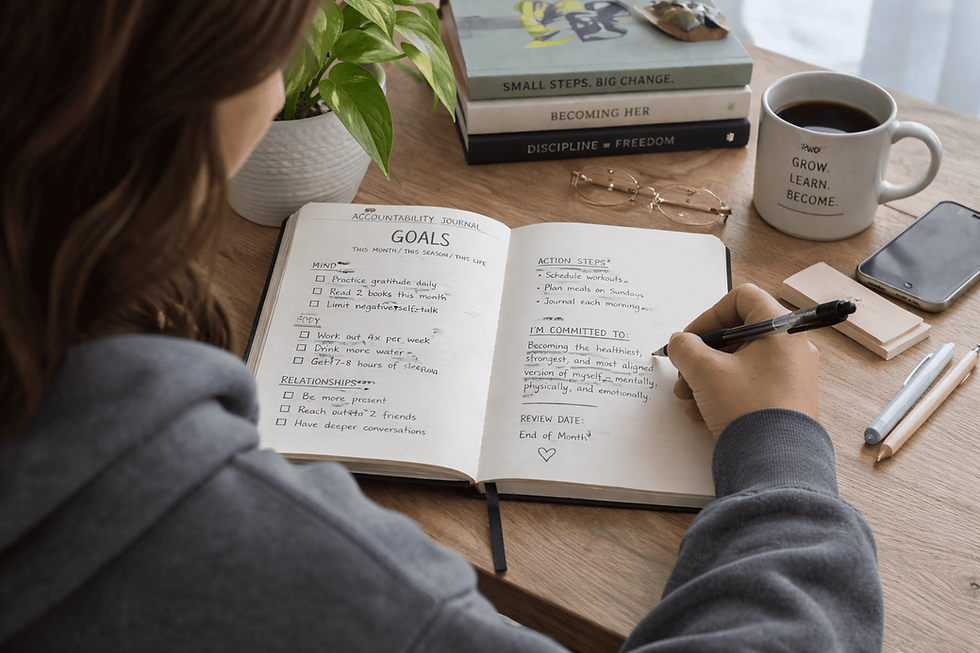
Try writing your answers in a notebook or a digital journal. The key is consistency. Doing this every night creates a habit that builds self-awareness and leadership skills over time.

Prompts for Wins, Lessons, and Tomorrow’s Priorities
Sometimes it’s hard to know what to write. Here are some prompts to help you think about your day:
Wins
What made me smile today?
What progress did I make on a goal?
Who did I help or support?
Lessons
What challenge did I face?
How did I respond to stress or frustration?
What feedback did I receive?
Tomorrow’s Priorities
What is one thing I want to accomplish?
What attitude or mindset do I want to bring?
How can I support someone else tomorrow?
Using these prompts can make journaling easier and more meaningful. They also remind you to focus on both your growth and your connection to others.
How Our Community Supports You
At www.survivinglifelessons.com, we believe healing and growth happen best when we are not alone. Our groups bring together people who have faced tough times and want to share their stories and support.
You can join peer groups, find coaching content, and explore self-help products designed to help you through grief, stress, and life changes. For example, our guided journaling kits include prompts like the ones above, making it easier to start your own end-of-day debrief.
One member shared how the group helped her stay motivated to journal every night. Knowing others were doing the same made her feel connected and encouraged.

Start Your End-of-Day Leadership Debrief Tonight
You don’t need to be a CEO or manager to benefit from this ritual. Whether you lead a team, a family, or just yourself, taking a few minutes to reflect each night can change your life.
Here’s how to begin:
Find a quiet spot where you feel comfortable.
Use the 5-question journal or prompts to guide your writing.
Be honest and gentle with yourself.
Share your experiences with others at www.survivinglifelessons.com if you want support.
Remember, growth is a journey. Every day you reflect, you build strength and clarity. You become a better leader for yourself and those around you.
Where to Go From Here
Whatever part of this post hit home, there is a place for you here. At Surviving Life Lessons, we believe in life survivors helping life strugglers. Our Journaling & Writing for Healing Group is a place to write and share with others who understand, and our Personal Growth and Healing group is a place to grow with others on the same path. You can also browse our Community Groups Catalog to find every group that fits where you are right now.
For more, read Accountability Journal for Better Leadership or Living as Your Whole Self Every Day.
Your Story Matters
We need your nice comments below! Your thoughts, experiences, and lessons learned might be exactly what someone else needs to hear today.
Drop a comment, Say Hello, and join the conversation.
Need More Personalized Support?
Everyone's journey is unique. If you're looking for personalized guidance, encouragement, or one-on-one support, explore our services to find the option that's right for you. We're here to help you take your next step with confidence and hope.
Helpful Resources for Your Journey
Explore our collection of books, journals, coloring books, and printable PDFs designed to encourage, inspire, and support you every step of the way.
About the Author:
Deborah Ann Martin is the founder of Surviving Life Lessons, a published author, poet, speaker, and trainer with over 20 years of management experience across multiple industries. An MBA graduate, U.S. veteran, single mother, and rare cancer survivor, Deborah brings both professional expertise and lived experience to her writing on resilience, leadership, personal growth, and overcoming adversity. Her mission is to empower others with practical wisdom and real-life insight to navigate life’s challenges with strength and purpose.



.png)
Comments